
La Mesa Home Repair Guide: Mid-Century Homes and Common Fixes
· By Igor de Deus Rodrigues
La Mesa has a lot of character, and much of it comes from its housing. The city grew quickly in the post-war years, and neighborhoods across La Mesa and the nearby Mount Helix and Grossmont hillsides still have plenty of ranch homes and mid-century designs from the 1950s and 1960s. The La Mesa Historical Society even runs tours of noted mid-century modern homes in the area.
Older homes are built well in many ways, but sixty or seventy years of settling, sun and daily use leave their marks. This guide walks through the repairs that come up most often in La Mesa homes of that era, what to look for, and how to fix problems without losing the original character that makes these houses worth owning.
What wears out in a mid-century home
Mid-century houses tend to share a few patterns. Doors and windows have usually been adjusted, painted and repainted many times. Kitchens and bathrooms may have original cabinetry with hinges and drawer runners that were never designed for decades of use. Fixtures have often been swapped piecemeal, so one bathroom might have a newer faucet while the next still has an older valve.
Walls are another tell. Depending on when and how the house was built, you may have plaster, drywall or a mix from later remodels. Settling, especially on sloped lots like those around Mount Helix, shows up as hairline cracks above doors and windows. Most of these cracks are cosmetic, but it pays to know the difference.
Doors that stick, rub or will not latch
The most common complaint in older homes is doors that no longer fit. Paint buildup on the edges, loose hinge screws and gradual settling all push a door out of alignment. You see it as a door that rubs at the top corner, drags on the floor or has to be lifted to latch.
The fix usually starts with the hinges: tightening screws, replacing stripped screws with longer ones that reach the framing, or shimming a hinge. Then the strike plate can be adjusted, and only as a last resort is the door planed. Many original solid wood doors are worth keeping, and a careful adjustment preserves them. Swapping worn knobs and locks for new hardware that matches the style of the house is also a quick upgrade.
Cracks, holes and patchwork on older walls
Hairline cracks at the corners of doors and windows are common in older homes and are often caused by normal settling and seasonal movement. They can be patched and painted. Repeat cracks in the same spot after a repair, cracks wider than a coin edge, doors that suddenly stop closing or floors that slope noticeably are signs to have a structural professional take a look.
Patching plaster is a bit different from patching drywall. Plaster is harder and thicker, and a patch needs to blend into a textured or smooth surface without a visible ridge. Older paint may also contain lead, especially in homes built before 1978, so sanding old painted surfaces calls for lead-safe practices. When in doubt, test before sanding.
Kitchens and baths: cabinets, faucets and toilets
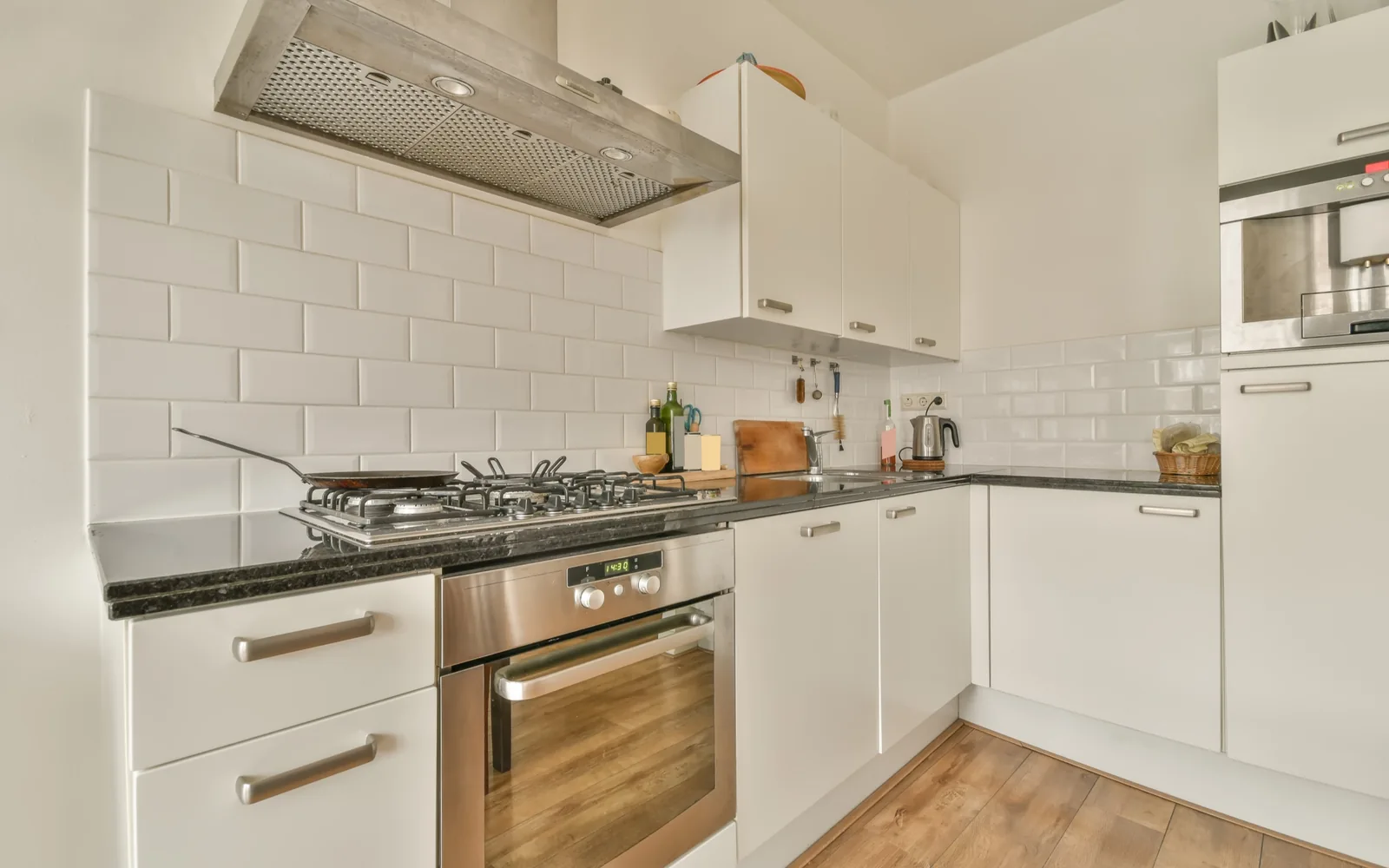
Original or early cabinets often have sound wood boxes with tired hardware. Hinges sag, doors stop lining up and drawer bottoms crack or slides wear out. Replacing hinges, adjusting doors, rebuilding a drawer and adding soft-close hardware can make a vintage kitchen feel solid again without replacing the cabinets.
In bathrooms, a running toilet, a dripping faucet or a loose toilet seat are the usual suspects. Replacing a fill valve, flapper or faucet cartridge, or swapping a faucet for a new one on the existing supply lines, are small, common jobs. Older shutoff valves can be stiff or leak once they are turned after years, so it is worth checking them before any fixture work. Moving drains, rerouting supply lines or replacing old pipes in the walls is plumber territory.
Caulk, grout and moisture spots
Bathrooms in older homes often have caulk lines that have been patched over many times. Pulling out the old caulk completely and running a fresh bead around tubs, showers and sinks keeps water out of the walls. Cracked grout should be repaired before it lets water behind the tile.
Look up as well as down. A brown ring on the ceiling under a bathroom, or soft drywall near a window, means water got in at some point. Find and fix the source first, then repair the drywall and paint. Covering a stain without stopping the leak only hides the problem.
Keeping the character while you repair
Part of the appeal of a La Mesa mid-century home is the original detail: wood paneling, built-ins, simple slab doors and clean lines. When you repair, try to match what is there. Choose hardware in a style and finish that fits the era, patch built-ins instead of tearing them out, and keep original doors when they can be adjusted.
A good approach is to make a list room by room, mark what is cosmetic and what is functional, and handle the functional items first. Doors that close, drawers that slide, faucets that do not drip and walls that are sealed make an old house feel cared for.
Typical costs and when to call in help
Prices for small repairs in older homes typically depend on access, condition and how many items you group together. Most homeowners find that a single visit to handle several adjustments, patches and fixture swaps is better value than calling for each one. Treat any number you see online as a general market range, not a quote for your house.
California allows handymen without a contractor license to take jobs under $1,000 total in labor and materials, with no permit needed. Anything structural, new wiring, plumbing changes inside walls and permitted remodels need a licensed contractor. For the everyday fixes, Handmax offers a free quote, and you can text a photo of the door, cabinet or fixture for a quick answer.
Frequently asked questions
- Are wall cracks in an older La Mesa home a structural problem?
- Most hairline cracks near doors and windows come from normal settling and are cosmetic. Cracks that keep coming back, get wider, or appear with doors that suddenly stop closing should be checked by a structural professional before patching.
- Can old wood doors be fixed instead of replaced?
- Often yes. Tightening or replacing hinge screws, shimming hinges, adjusting the strike plate and lightly planing the edge can make an original door work smoothly again while keeping its character.
- Is it safe to sand old paint in a mid-century home?
- Homes built before 1978 may have lead-based paint. Test before sanding or scraping, and use lead-safe work practices if lead is present. A simple test kit or a certified inspector can tell you what you are dealing with.
- Can original kitchen cabinets be repaired?
- Usually. If the cabinet boxes are solid, new hinges, adjusted doors, rebuilt drawers and updated slides can make them work like new. Replacement makes sense mainly when the boxes themselves are damaged.
- Can a handyman replace a faucet in an older home?
- Swapping a faucet on existing supply lines is a common handyman job. Old shutoff valves should be checked first. Replacing pipes inside the walls or moving drains requires a licensed plumber.
Found this helpful? Make us a preferred source on Google.
Ready for an exact price?
Get a free, no-pressure in-home estimate. Real numbers for your home, not a phone guess.